If you have admired a village church, a ragged boundary wall or a period farmhouse in Kent, you have almost certainly been looking at Kentish ragstone. It is the county's defining building stone, and for masonry that has to sit comfortably alongside historic surroundings, nothing else quite reads the same. Here is what homeowners should understand before using it.
What is Kentish ragstone?
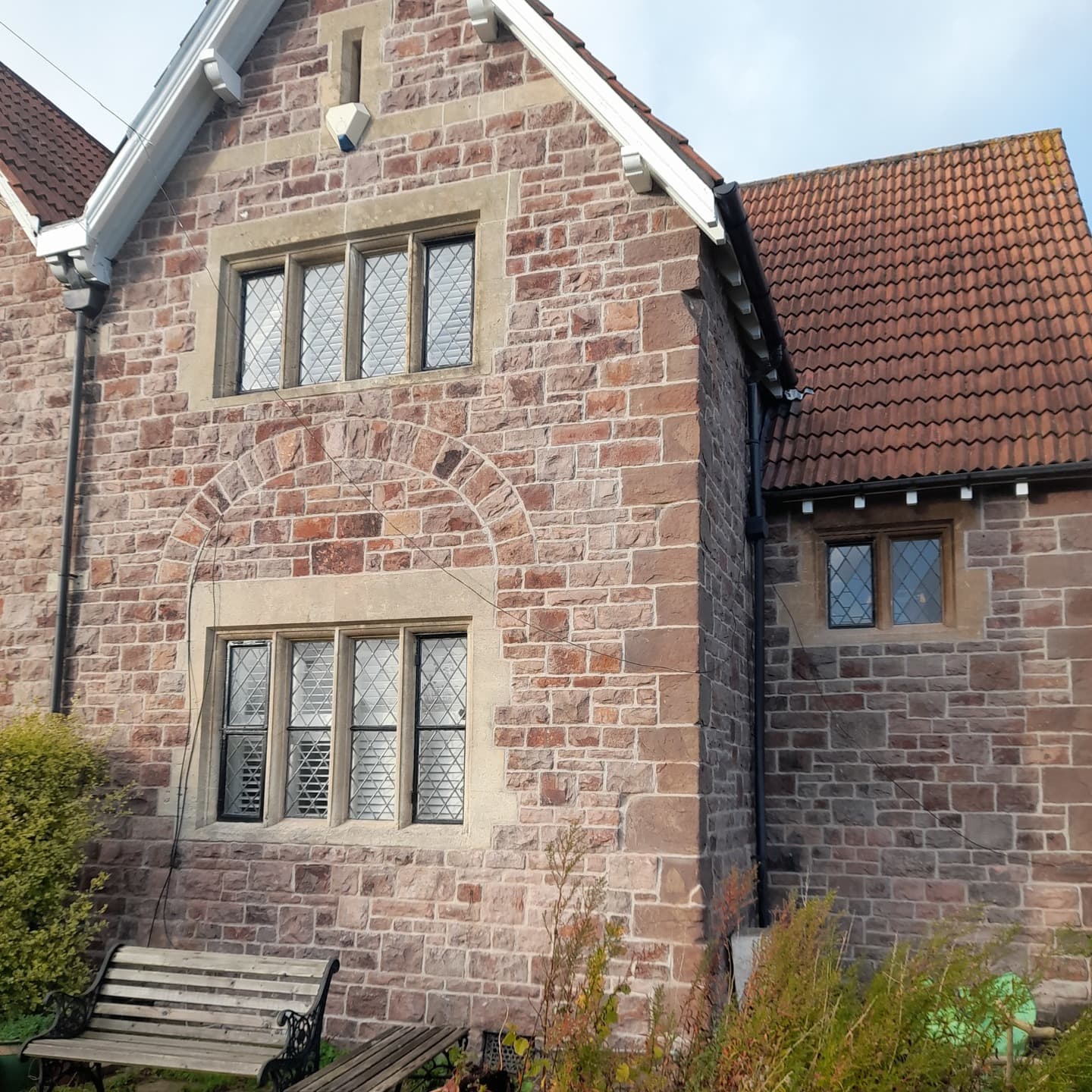
Ragstone is a hard, grey limestone quarried from the Hythe Formation that runs across the Weald of Kent. It has been used for building since Roman times — parts of London's Roman wall are ragstone shipped up the Medway. It does not split into neat blocks the way some stones do, which is exactly why traditionally laid ragstone has that distinctive, irregular, hand worked face.
Why it is a specialist material
Ragstone is difficult to work, and that difficulty is the whole point. Because it will not dress into tidy ashlar cheaply, it is laid as coursed or random rubble, with skilled masons selecting and shaping each piece by eye. The quality of a ragstone wall lives entirely in the hands of the person building it — the fit of the stones, the width of the joints and the choice of mortar.
- Random rubble — stones of varying size laid without regular courses, the most traditional look
- Coursed rubble — roughly levelled bands, common on more formal buildings
- Snecked and squared work — more dressed faces for a refined finish
- Galleting — small stone chips pressed into the mortar joints, a traditional Kentish detail
The mortar matters more than the stone
The single most common mistake with ragstone is using modern cement mortar. Ragstone and the buildings it sits in need to breathe. A hard cement pointing traps moisture in the wall, which then escapes through the softer stone face, causing it to spall and crumble. Traditional lime mortar stays softer than the stone, flexes with the building and lets moisture evaporate through the joints — protecting the stone rather than destroying it.
Get the mortar wrong and you can do more damage in a weekend of pointing than a century of weather. On ragstone, lime is not a preference — it is conservation.
Using ragstone on a modern project
Ragstone is not only for repairs. It works beautifully as a facing to a new extension, a garden or boundary wall, or feature elevations where a home needs to sit sympathetically in a rural or conservation setting. Because it is a facing rather than structural in most modern uses, it is usually built against a blockwork or brick backing with proper ties and a cavity, combining a traditional face with a modern, insulated wall behind.
Frequently asked questions
Is ragstone more expensive than brick?
Yes — it is a specialist, labour intensive material, so a ragstone face costs more than standard brickwork. The payoff is a finish that suits period and rural settings where brick would look out of place.
Can old ragstone walls be repaired rather than rebuilt?
Very often, yes. Careful repointing in lime, rebuilding of failed sections and matching of stone can extend the life of a wall by generations without a full rebuild.
Will planners require ragstone?
In conservation areas and near listed buildings, planners frequently require matching natural stone, and ragstone is the expected material across much of Kent.
LJS Construction Services specialises in ragstone, feature brickwork and traditional masonry across Kent and South London, working in lime where the building calls for it.
Thinking about bespoke masonry & brickwork?
LJS Construction Services carries out bespoke masonry & brickwork across Kent and South London. If you would like honest advice and a clear quotation, we would be glad to help.